Source Gas Powered Blower Carburetor for Lawn, Industrial, and Experiment Use
Find and compare 30 gas powered blower carburetor options from verified Chinese manufacturers. Evaluate models like the 178SA and Walbro HD-4A for lawn equipment, industrial oxygen applications, and laboratory experiments based on flow direction and certification standards; compare the available evidence and request quotations based on your requirements.
Key considerations
Products List


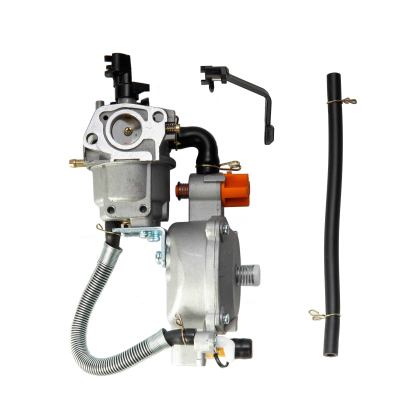


Comprehensive Sourcing Guide
Gas Powered Blower Carburetor Sourcing Guide
Procuring a gas-powered blower carburetor requires precise alignment between the engine model and the fuel delivery system to ensure optimal performance. The market offers specific units designed for models like the 178SA and EC2500 170F, which are critical for maintaining the correct air-fuel mixture in high-demand industrial applications. Buyers must verify that the carburetor matches the exact engine specifications, such as the 178SA standard or the Walbro HD-4A series, to prevent operational failures.
Selection also depends heavily on the intended application, ranging from general air movement to specialized uses involving biogas or industrial oxygen. The observed product listings indicate a diverse range of options, including axial and centrifugal flow designs, which dictate how the component integrates with the blower housing. Understanding these mechanical differences is essential before placing an order, as a mismatch can lead to inefficient airflow or excessive fuel consumption during operation.
Product Scope and Observed Listing Signals
The current market presents a wide spectrum of carburetor options, with observed prices ranging from $0.99 to over $10,000 depending on the complexity and brand reputation. This significant variance suggests that buyers must carefully distinguish between generic replacement parts and specialized OEM components like the 4203-120-0601 unit. The minimum order quantities also fluctuate between single items and bulk orders of 999 units, allowing flexibility for both small repair shops and large-scale industrial procurement teams.
Listing signals reveal that many suppliers offer customization services, including color adjustments and specific packing requirements like color boxes or wooden cases. Some products are explicitly marked as non-customized, while others support both OEM and ODM requests, indicating a mature supply chain capable of adapting to unique client needs. Buyers should scrutinize these signals to ensure the supplier can meet specific logistical or branding requirements without compromising the core functionality of the carburetor.
Technical Specifications to Verify
Technical verification begins with confirming the exact model number compatibility, such as the GX160 168F or the specific Walbro HD-13B carburetor designation. These identifiers are not merely labels but critical parameters that determine the physical fit and functional performance of the part within the blower assembly. A mismatch in the model number can result in installation failures or improper fuel metering, which directly impacts the engine's power output and longevity.
Material composition and flow direction are equally critical factors that influence the durability and efficiency of the carburetor. Listings indicate the use of aluminum and iron materials, with flow directions specified as either axial or centrifugal based on the blower design. Buyers must cross-reference these material and flow specifications against their existing equipment to ensure the new component can withstand the operating pressures and environmental conditions of the intended application.
Compliance and Safety Documentation
Safety compliance is a non-negotiable aspect of sourcing industrial components, with certifications like CE, RoHS, and CCC frequently appearing in product listings. These certifications indicate that the manufacturer has met specific regional safety and environmental standards, which is particularly important for equipment used in regulated industrial environments. Buyers should request valid certification documents to verify that the carburetor meets the necessary safety protocols before integrating it into their machinery.
In addition to safety certifications, documentation regarding the product standard and origin is essential for maintaining supply chain transparency. Products originating from Ningbo or Zhejiang, China, often carry specific standard codes like 178SA or WARBRO, which serve as benchmarks for quality assurance. Ensuring that the supplier provides clear evidence of these standards helps mitigate the risk of receiving substandard parts that could fail during critical operations or violate local regulatory requirements.
Cost Drivers and Commercial Terms
The final cost of a gas-powered blower carburetor is driven by several factors, including the complexity of the design, the materials used, and the level of customization required. While basic units may be available at lower price points, specialized models with specific OEM part numbers or custom branding will command higher prices. Buyers should analyze the total cost of ownership, considering that a slightly more expensive, high-quality carburetor may offer better longevity and reduced maintenance costs over time.
Commercial terms such as minimum order quantities and packaging specifications also play a significant role in the overall procurement strategy. Some suppliers offer single-item sales, while others require bulk purchases, which can impact inventory management and cash flow. Additionally, the choice between standard export packing and custom wooden cases can affect shipping costs and the protection of the goods during transit, making it vital to negotiate terms that align with the buyer's logistical capabilities.
Supplier Qualification and Quality Control
Supplier qualification involves a rigorous assessment of their manufacturing capabilities and their ability to deliver consistent quality across large orders. Buyers should verify that the supplier has a proven track record in producing carburetors for specific engine models and that they adhere to strict quality control processes. The presence of certifications like ISO and the ability to provide customized support are strong indicators of a supplier's reliability and commitment to meeting client specifications.
Quality control measures should extend beyond the final product inspection to include raw material sourcing and assembly processes. Suppliers offering products with a "New" condition and specific flow directions demonstrate a focus on delivering functional, ready-to-use components. Buyers must ensure that the supplier has robust testing protocols in place to verify that each carburetor meets the required performance standards before it leaves the factory, thereby minimizing the risk of defects in the field.
Long-Term Procurement Checks
Establishing a long-term procurement relationship requires regular performance reviews and ongoing quality assurance checks to ensure consistent supply. Buyers should implement a system for tracking the performance of the carburetors in the field, noting any issues related to fuel efficiency, durability, or fitment. This data-driven approach allows for proactive adjustments to the supply chain and helps identify potential suppliers who may be struggling to maintain quality standards over time.
Future-proofing the procurement strategy also involves staying informed about changes in industry standards and technological advancements in carburetor design. As regulations evolve and new engine models are introduced, buyers must ensure their suppliers can adapt quickly to these changes. Maintaining open communication with suppliers regarding upcoming standards and potential obsolescence helps secure a stable supply of high-quality gas-powered blower carburetors for years to come.
FAQs
What carburetor models fit the Ec2500 170f blower?
The 178SA carburetor is designed to fit the Ec2500 170f blower. This component is manufactured from aluminum and supports customization options. It is available in color box packaging and originates from Ningbo, China. Buyers can request OEM support for specific branding needs. The unit is new and ready for immediate industrial application.
Which certifications apply to the gas powered blower carburetor?
The product holds CCC, ISO, CE, and RoHS certifications. These credentials ensure compliance with international safety and environmental standards. The carburetor is suitable for various industrial applications requiring certified components. Buyers can verify these documents during the sourcing process. The certifications support global trade and regulatory adherence for end users.
Can I customize the blower carburetor for my brand?
Yes, customization is available for the blower carburetor. The supplier offers OEM and ODM support to meet specific brand requirements. Buyers can request customized colors and packaging solutions. The product originates from Zhejiang, China, and supports tailored manufacturing. This flexibility allows businesses to align the component with their existing product lines.
What is the MOQ for ordering the carburetor?
The minimum order quantity ranges from 1 to 999 units. This flexible MOQ allows buyers to test market demand with small orders. Larger quantities may offer better pricing tiers depending on the supplier. The product is sold as a single item unit. Buyers can adjust order sizes based on their inventory needs and budget constraints.
What is the price range for these carburetors?
The observed price range is 0.99 to 10295 USD. This wide range reflects different specifications and customization levels. Buyers should request quotes for specific models like the 178SA or Walbro variants. Pricing depends on volume, certification requirements, and packaging choices. Direct negotiation with suppliers is recommended for accurate cost estimation.
Which Walbro carburetor models are compatible with this blower?
The product fits Walbro HD-4A, HD-4B, and HD-13B carburetor models. It is also compatible with the 4203-120-0601 specification. These components are designed for high-performance blower applications. The carburetor ensures efficient fuel mixing for gasoline-powered engines. Buyers should verify model compatibility before purchase to ensure proper fitment.
What is the origin of the gas powered blower carburetor?
The product originates from Ningbo and Zhejiang, China. These regions are known for manufacturing industrial components. The supplier provides standard export packing for safe shipping. Buyers can expect reliable logistics from these established industrial hubs. The origin ensures access to skilled labor and efficient supply chains for bulk orders.